notes from the creatively employed
MEANING BEAUTIFUL BAY

Week 1
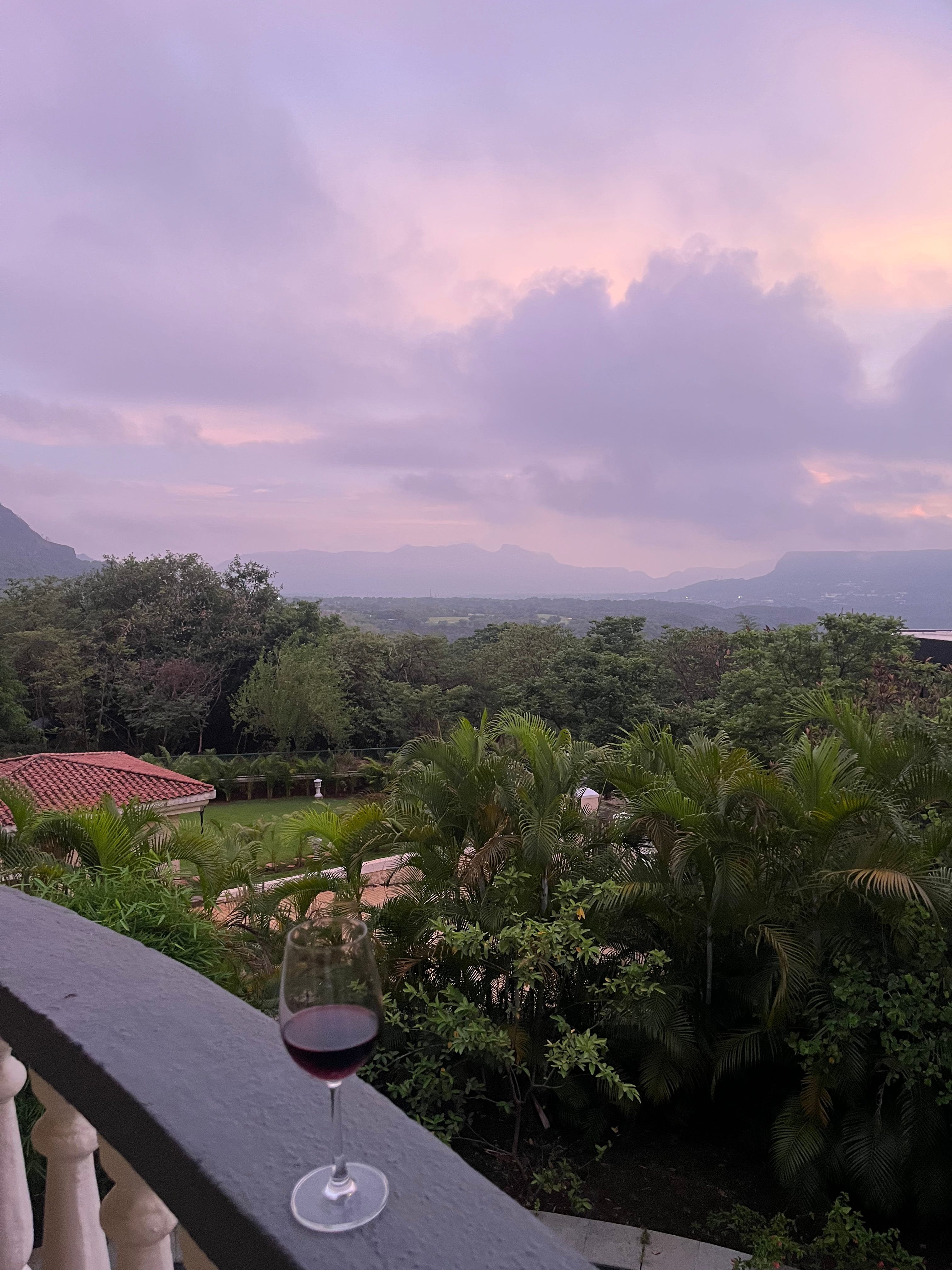
Inaugurating four months of unemployment was a weekend trip to the little hills of Lonavala. It was seventy-two hours of drinking coffee in a wine glass, projecting Gossip Girl onto whitewashed walls, reciting Audre Lorde’s poetry, and napping in a garden with green rain and perfect highs. We bookended the trip with Joan Larkin’s ‘Want,’ – “She’s in her city, meeting / her deadline; I’m in my mill village out late / with the dog, listening to the pinging wind bells, thinking / of the twelve years of wanting, apart and together. / we’ve kissed all weekend; we want / to drive the hundred miles and try it again.”
Week 2
My brother has decided to go to Vipaasana, a 10-day silent meditation retreat, before his 27th birthday. We parse Reddit threads, watch YouTube videos, and lay predictions at each other’s feet. When he calls, the morning of ‘getting out,’ I immediately start jabbering about Elon and Trump’s divorce, his birthday party plans, and other nonsense. Finally allowed to speak, my brother said he could do it again, easily. He said he resolved most of his existential and emotional questions by day four. He has come back with a playlist and a personal note for everybody in his life on what he thinks they should change. His note for me? To be serious at Cambridge.
Week 3
A framed flower, a sheer shirt, a proffering from back in time. (An I love you in a fishbowl.)
Week 4
While reading J.D. Salinger’s Franny and Zooey, I think about knowledge and the epithet “campusey.” The book is centred around questions of reading, the aesthetic life, the burdens of intelligence, and the burdens of wanting. It was recommended to me by new friends who have provided weekends that are distinctly “campusey” – loaded up with conversation, clarity in a projected self, and a reignited optimism for the possibility of new friends at all.
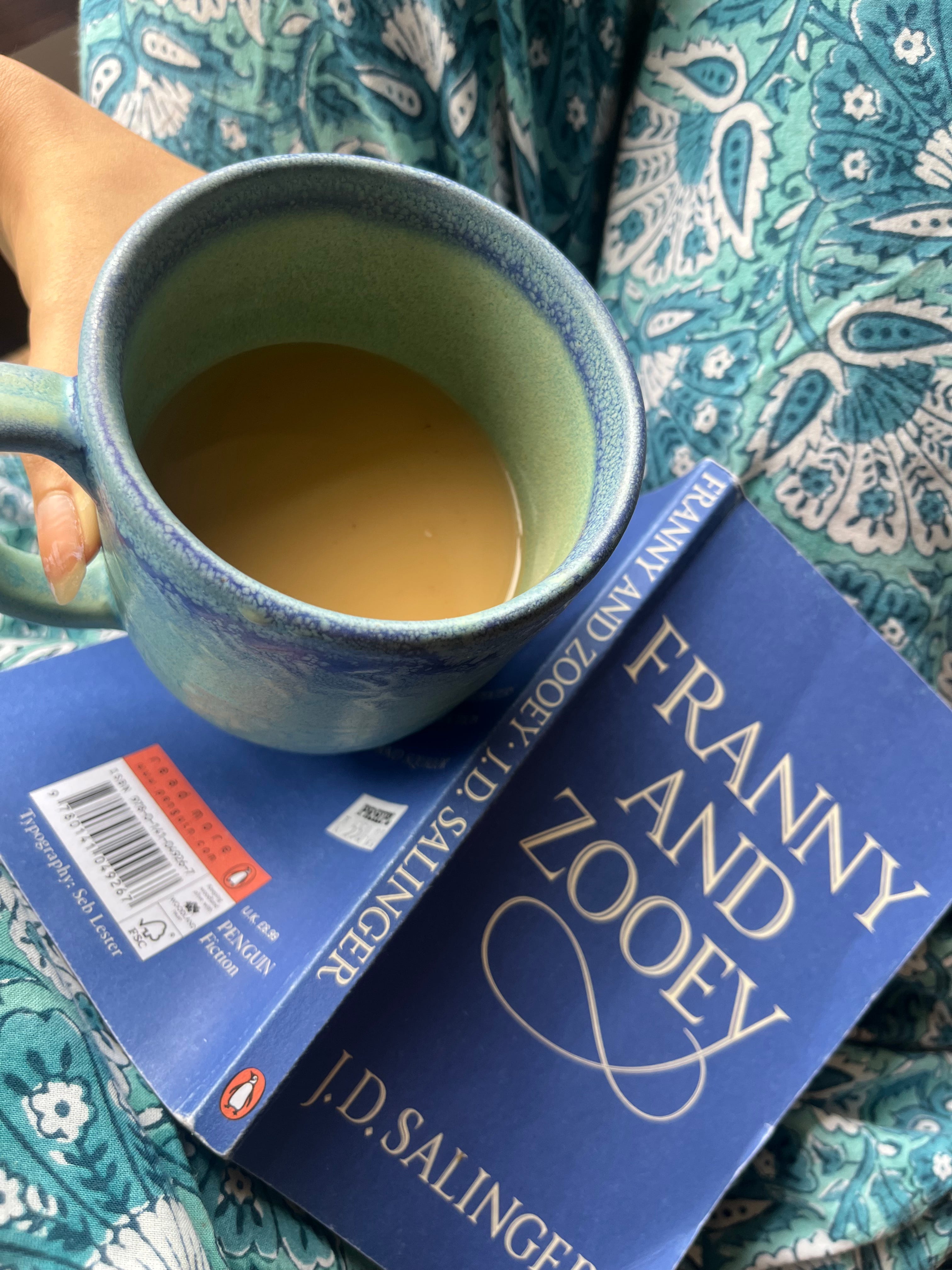
Shuddering, I see my socialising with some old friends differently: “cleverness was my permanent affliction, my wooden leg, and it was in the worst possible taste to draw the group’s attention to it.” The characters are intolerably addicted to intelligence that is trying to become true wisdom, as if to say the goal is not knowing, but the goal of knowing is peace. Sitting in my life baked in 20 years of blankets, I underline: “I do like him. I’m sick of just liking people. I wish to God I could meet somebody I could respect.”
Week 5
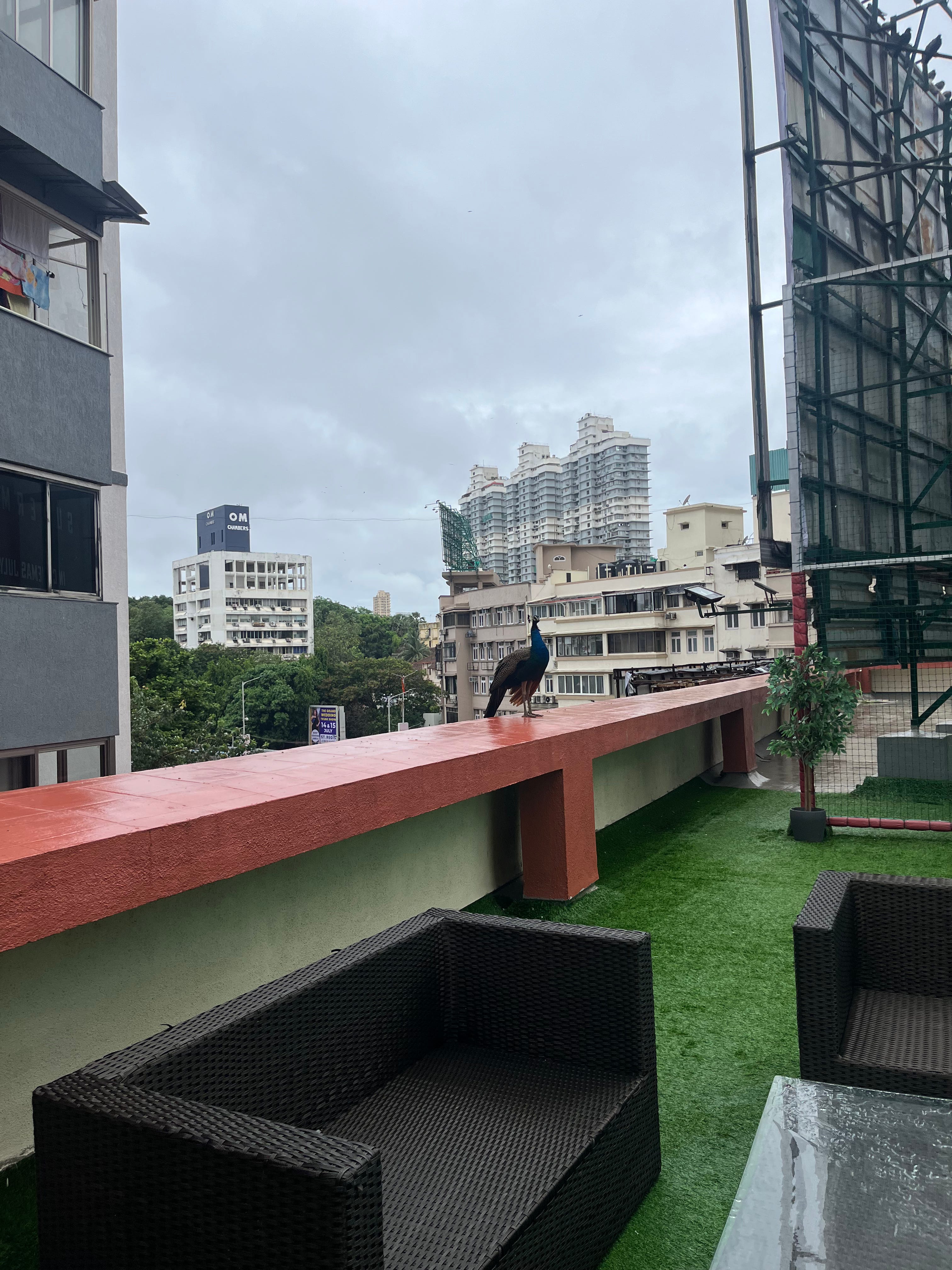
There was a peacock on the pickleball court. Barely teal, barely royal blue, and barely chartreuse, the peacock recoiled into itself, limping on the ledge of the newly laid bright blue, teal, and chartreuse court in my building. Dozens lined up to watch the bird. It gingerly stepped around the artificial turf overlooking the main road, clearly injured and yet unwilling to give up its old nobility. Where had it come from? I live on a hill beside The Hill, where animal ambulances clog up the air for billionaires with bad taste. Festivities in this area are marked by choked police cars, black sedans, blinding light pollution hanging from trees like hot rope, and Masses of tourist buses and selfies, betraying trips taken solely to see what was once an orphanage and is now scab-scraping the sky. Together, they overwhelm the once-quiet neighbourhood, wedging old bungalows with old values. Now all sorts of shiny once-national-symbols frequent The Hill for the pretty price of whatever. The peacock must have come from there.
Or, the peacock could be from the Parsi Tower of Silence, Doongerwadi, down the road. In Doongerwadi, scavengers were entreated to decompose corpses as part of the circle of life. Then the vulture population dwindled for urbanisation demanded its own pounds of flesh. Then there were bodies lying there without enough vultures to strip decaying meat from bone fast enough. But the trees, quietness, and occasional corpses remain. They remain attracting feathery, murderous birds. The peacock must have come from there.
Week 6
One evening after hours in a museum, at an art and culture society’s member induction, I was told by a pearled philanthropist wearing couture and her last name: “sweetie, we don’t say unemployed, we say, creatively employed.”
Week 7
At night, when he and I finally spoke, I was mad with desperation. I had read A Simple Passion in the evening and knew that Ernaux’s level of obsession was not mine – mine was not so self-effacing – but by nightfall, I felt crazed. I watched my phone reach 8 pm and resisted the urge to play the violence of Lana Del Rey. When we finally spoke, I was back-down on the swing, saying all the right things. Although A Simple Passion does not get into the psychoanalysis of desire in an all-consuming affair, it does, however, get into the scheduling: “The only criteria to be taken into account, perhaps, should be of a material order: the time and freedom at my disposal throughout the affair.”
Week 8
My Creatively Employed days have eased into vibrant, felt, well-rested and reliably-reaping weeks. I am exercising, rehearsing for a play, taking notes and compliments, and spending time with friends. I am reading, but not enough. I have finished Dosteyovsky’s Notes from the Underground (realising too late that I should not Relate to the character living in Bad Faith), and the beautiful God of Small Things. I am not really writing (yet). Neither have I begun to think about my research, nor the material life I will soon be living. I have ‘stepped away’ from the glare of the internet, the endless hubbub of social climbing, and the constrained realities of jobs. Before, I could write about the politics of the contemporary moment because I was right there kicking in the moment’s womb. Now, warmth has made me distant from friction. The evil gods have cursed me with contentment.
Week 9
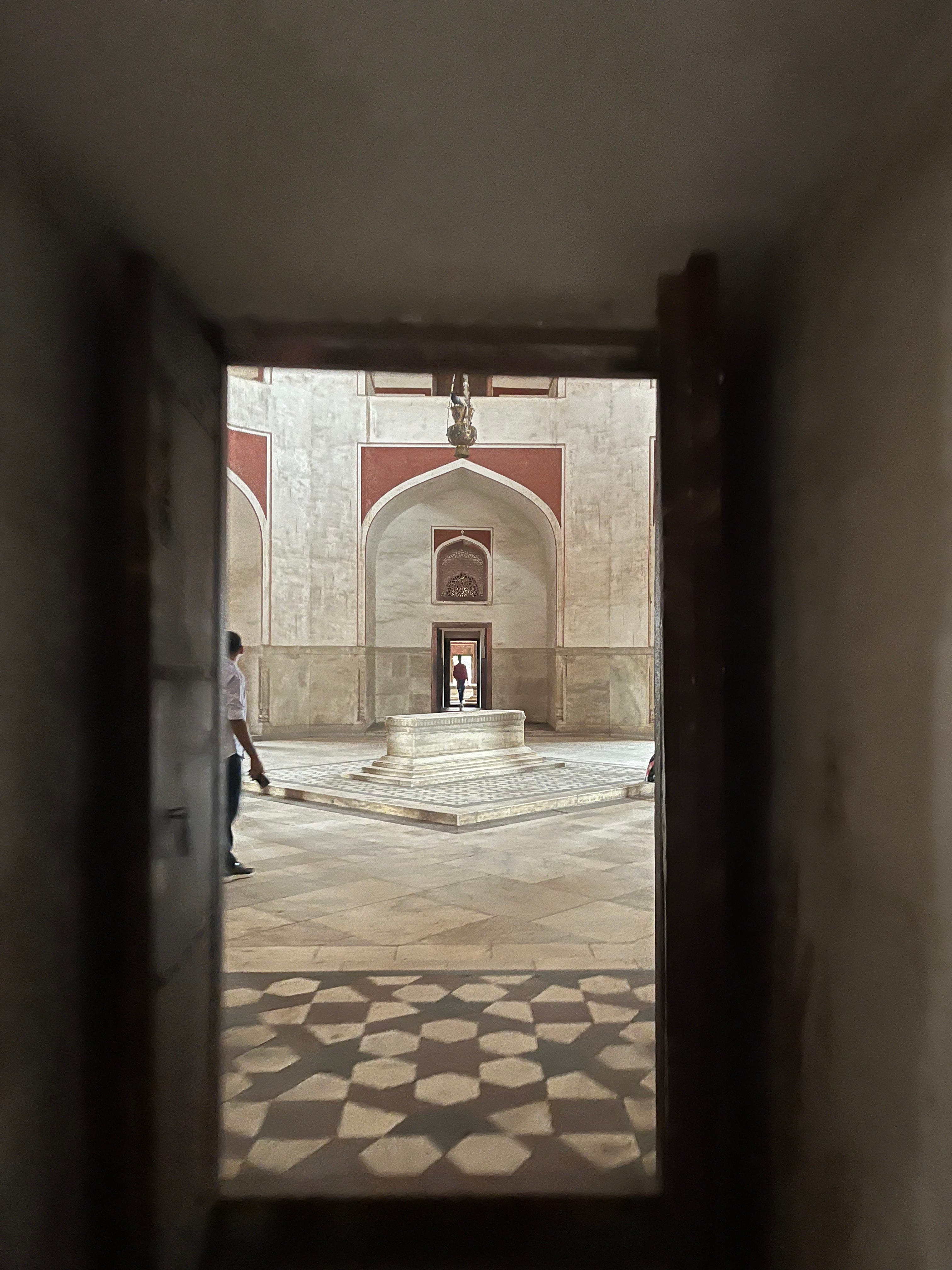
We spent two days dehydrating in Delhi at Khan Market, Humayun’s Tomb, and Claridges, the oldest hotel in Independent India.
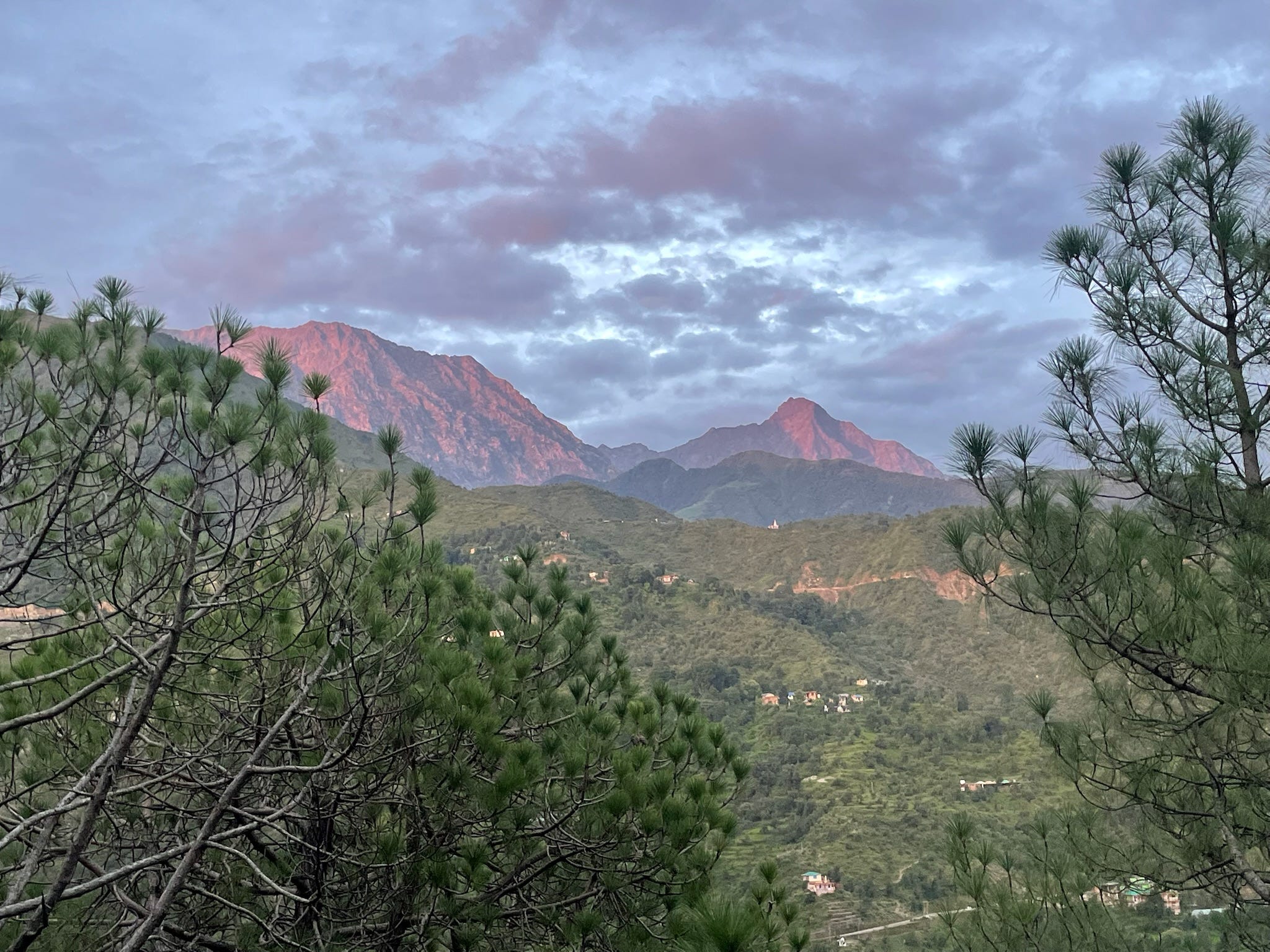
Then, we spent a week in McLeod’s Ganj. It was the Dalai Llama’s birthday. We ate a hundred momos and stayed at a British expat’s block-printed cottage. We read Allen Ginsberg’s ‘Sunflower Sutra’ by the outdoor fireplace opening into the stern mountains. I wrote a poem called ‘The Lesser Himalayas’:
Birthstone clouds settle on skin,
Stripped doors open into mountains certainly
Younger than us.
We’ve been winding up
Winding up winding up – heck, you can’t
See the wisp-airs you’re in. And we have
Taken to elevation like flying fish.
On the inside, we’ve been touching rocks
From London, labs, and the Lesser Himalayas.
We’ve seen the way the light falls the way the
Light lives the way the hills give
Themselves to honest lovers not looking up.
Week 10
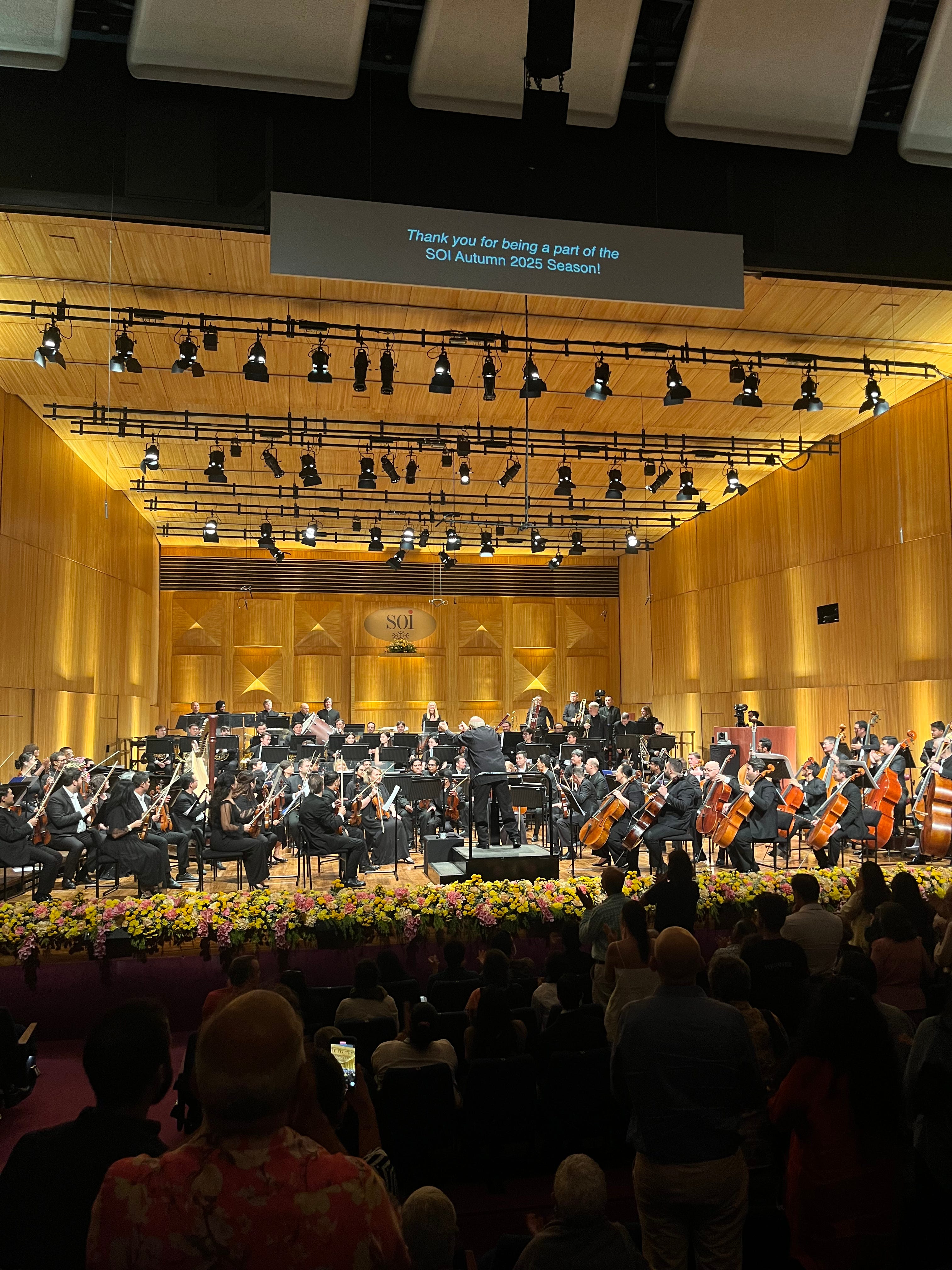
I go to the last show of the Symphony of India’s season at the NCPA. I listen to Tchaikovsky’s Romeo and Juliet with rapturous love. I watch a double feature of Phantom Thread and Babygirl while drinking wine with a friend. I go clubbing with the girls (to a new big club that I had never heard of) and a 19-year-old in our group asks me, “Who’s Akon?”
Week 11
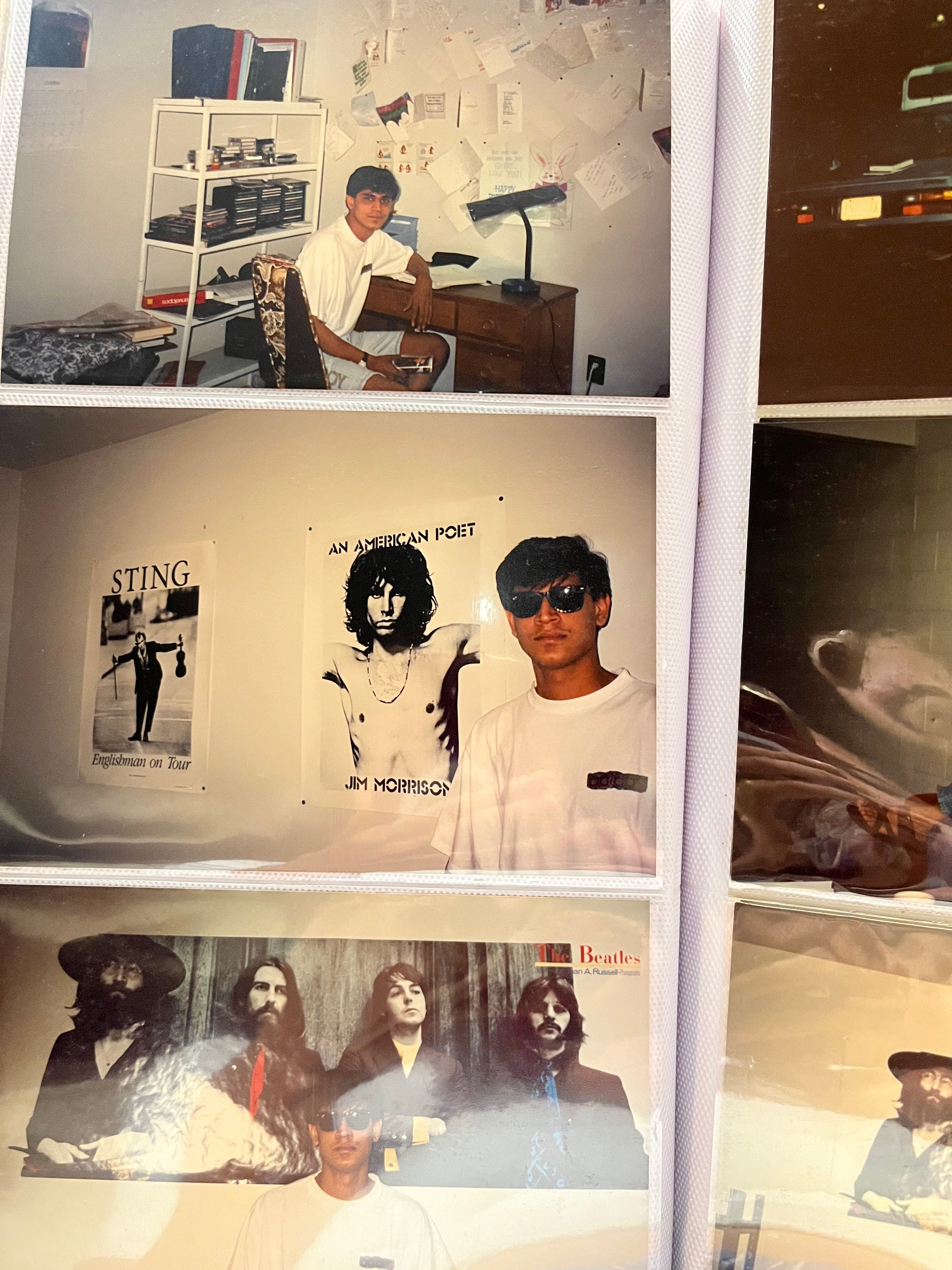
Over dinners with family and old family friends, my mother pulled out albums from the 90s, and we looked at photographs of my father. My house was mostly the same, Willingdon Club looked mostly the same, and my father’s Jim Morrison posters, Marlboro cap, and American postgraduate stint were also well-worn images. But they were suddenly breathing; they were breathing in the same wooden walls. And they could only inhale now, so many years later, given the air for respiration after a childhood of holding our breath.
Week 12
The day was late, arriving after its time. I ached into a bed-crawl, sinking into skin and soft sheets. French class was never going to happen. Pink rolled cigarette, wet copy of Sense of Sensibility, blue mouldy float, and August impromptu Goa pool. Nothing existed for me except the moment. Marshall’s speakers playing What I Want (Weezer, Addison Rae, rap). I slipped into the float, bum-first. Bum first! Summer Bummer!
The late afternoon heralded a smoothening into smooth days, held up like a white tent by scaffoldings of linen tobacco, smoked Mezcal, and a body that finally curved right. I got out of the pool and began pacing on the patio until I was reminded that academia was coming soon enough; all I had to do in that moment was Ooze. So, I returned to the pool and splashed around like a child, danced with resistance against the water, let my hair get wet, and let my head get heady. No pages of the book were read. Sense? I didn’t need it. Sensibility? I had a summer sensibility, one whose stakes differed in their structure from society’s.
I am agreeable while the climate turns evil. We glitter like hard rocks in moonlight. It is twilight – his favourite time of day and my least. We know night is next.
Week 13
I keep stumbling onto my mother’s womanhood. She recommended Deborah Levy to me before I took off for my beach trip with my boyfriend. Sitting, splayed, unemployed in a bikini, Levy scolded me through feminist theory I had read deeply during my undergraduate degree. Wetting the pages with the chlorine from the pool I was floating in, my mother scorned me with underlines like: “motherhood is being chased around by the woman you were before you had kids.” Fine, I think. Whatever. Her underlines are messy and mine are artful. We watched Petite Maman, a French film about a 9-year-old girl who meets her mother as a 9-year-old herself. I thought it was warm, wonderful, and how all films should be. My mother thought it was fine, if a little saccharine.
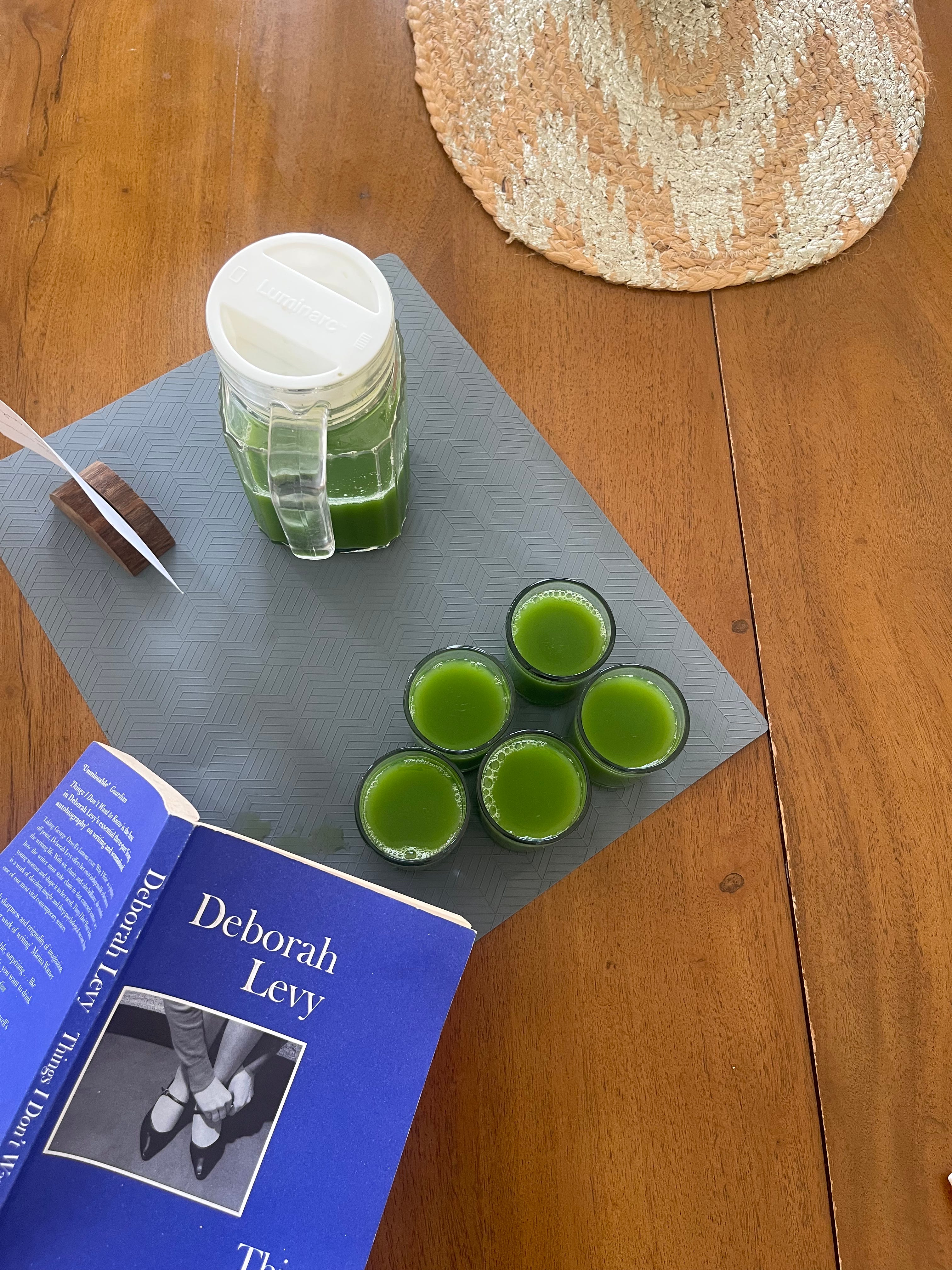
Reading Levy offered insight also into what and how I should feel – about writing, womanhood, travel, and life – and inconsistencies between her life and mine became proof that I wouldn’t succeed in the literary world for not wanting it enough. She begs: “it was urgent that I got out of my life.” I felt no urgency to leave the beautiful bay.
Week 14
I take another Goa trip before hosting a party for a friend’s birthday. We get massages at the St. Regis to prepare. On the consultation form, they ask, ‘What is your purpose of choosing a spa service?’ I circle ‘Pampering.’
Week 15
It looks clean outside. Routinised like an abdominal. Inside, it itches. The glass is itchy like sequins on skin, grating like spice in eyes. The head wants to be sandpaper. I drink coffee, smoke cigarettes, take an edible, read a book, read a post, read a text, read a tweet. I don’t want to go to the gym. I don’t want to go to French class. I don’t want to talk to my family. I don’t want to talk to my boyfriend or my friends. I want to ache the air like an open sore, festering it with myself. I don’t want to shower, to stretch, to eat. I want to be psychotically blind and grounded in the core.
Week 16
My boyfriend turns to me on the promenade of the new Coastal Road, with the sky split by pink on one side, and the grey rocks of the Haji Ali mosque on the other. He asks me if I’m ready to start the Rest of My Life in Cambridge. I tell him that I’m reading Giovanni’s Room and want desperately to live in Paris again – fluttering and fucked up and fluorescently young. Vultures and black kites circle the half-constructed bridge as the sunset gives way to the gloaming.
Three years ago, when I littered the 6th arrondissement with myself, I had questions of personhood, womanhood, academiahood, and creativehood. Their resolution seemed distant. Today, these hoods have taken clear form, and they are no longer chemtrails on a sunless horizon. I know how the day will age, and I don’t mind walking in the uncomfortable blare of footpathless streets. I am tired, clarified, and concentrated. I quote a woman in Baldwin’s book: “from now on, I can have a wonderful time complaining about being a woman. But I won’t be terrified that I’m not one.” Indeed, I can have a wonderful time complaining about being a writer, an academic, a person, and a lover. But I won’t be afraid that I’m not one.
Week 17
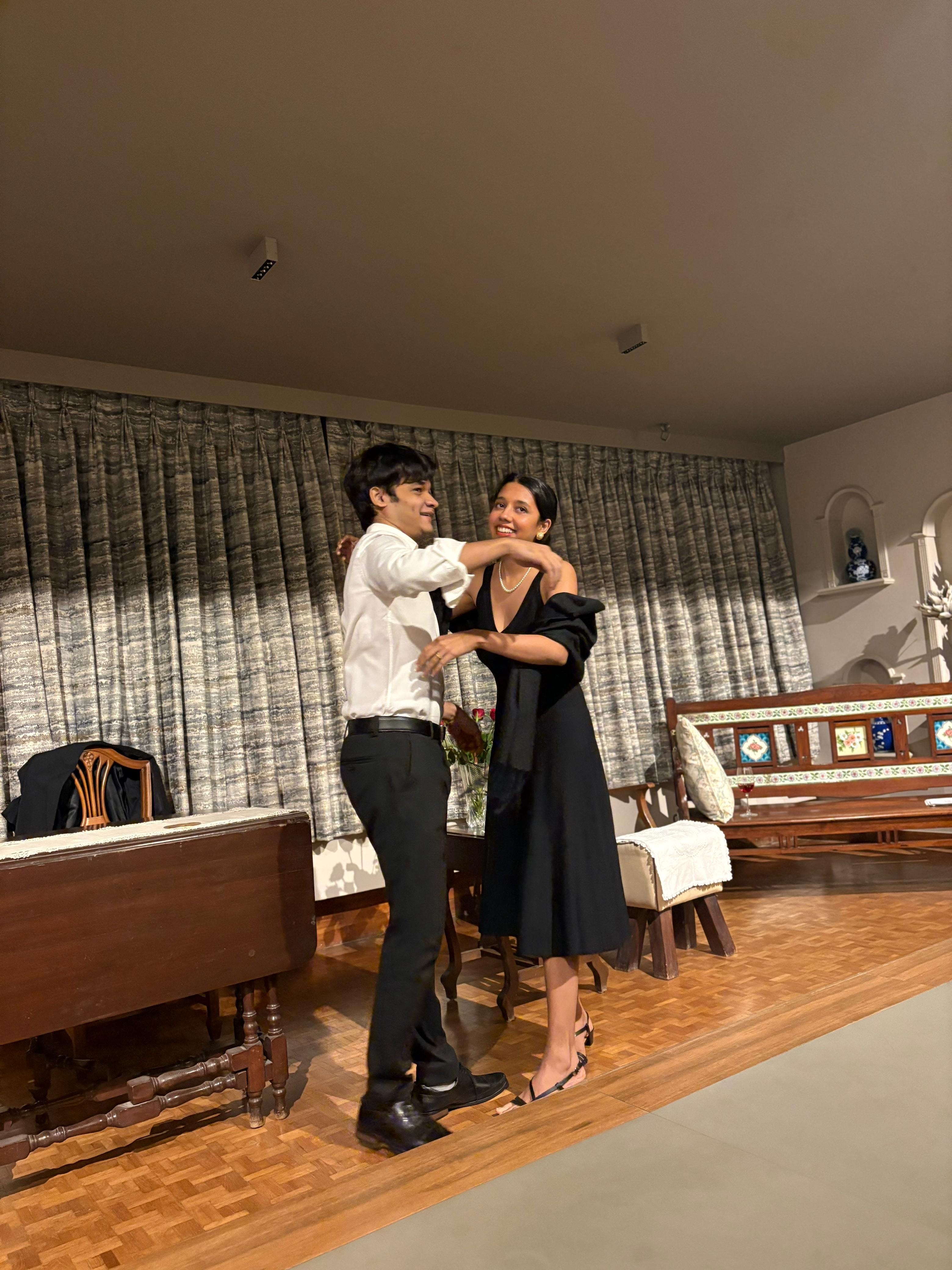
Love Letters, by A. R. Gurney. A beautiful (if sometimes misogynistic) play set in the 1960s-2010s of two people reading love letters to each other over the course of a lifetime. In the middle, divorced parents, money troubles, slutty parties, affairs, failing art ambitions, elections, and love happen. I performed it with an old college friend, Dev, in my living room to 70 people over 3 intimate shows. People laughed and cried, said I was like my character (which alarmed my mother and my boyfriend for independent reasons). Dev and I said we’d keep performing it every year, as we aged into new lives. The first time we’d read it, we were babies in our second year of college. It was the first time I’d acted in years. To prepare, I watched Birdman and Girl, Interrupted. The lights hit my eyes in bright yellow glitter. I had ease on stage, and loved to star. Friends who’ve known me for years said it was good to see me in action again. New friends said they didn’t even know I acted. Dev and I smiled, accepted the flowers and the wine and made promises of repeating this play – the play an ode to time, what it does to love, and what it does to always-forming selves.
Week 18
My mother and I watch Sholay. My brother and I forget to watch Entourage. My friends and I scrapbook our favourite days together, and they make a list of all things they want me to have better takes about (Paris, class hypocrisy, bisexuality).
“Meaning Beautiful Bay”
Now everything is really ending, and there are white linen pants terrified of being discarded in the mad dash out. No need for breathable pima cotton. No need for polyester cropped tops. No need for real diamonds, nor tiny black clutches. Soon I will become bungled, wool over my eyes, fingers un-manicured and pinked in the trembling cold.
Could everything really be ending? For now, I treat the city as an extended bed; performing, sleeping, and jumping across its coastline. In the air everywhere, they tell me that everything is really ending and I still do not believe it. I ignore my mother’s implorations to start packing, I don’t study for my French exam, I don’t make it to the lunch plan for a friend’s birthday – relax! I have time. I have time before I leave the potholes and the people I love, time to go shopping with my mother, and host games night for my friends. Time to read all the theories I have forgotten, and time to become the person I want to be for the rest of my life.
Cambridge sends my course list over. Newnham asks me to RSVP for the matriculation feast. There are three giant suitcases cluttering up the part of my room where I used to practice dance.
Week Zero
I’ve been talking a lot about what it means to live a creative life. I laugh through a serious intention of never wanting to work a 9-5, never wanting to be beholden by a bank account, and always wanting to be free. Free to what? Free to write? Free to confuse appreciating beauty with creating it? The last time I lived in the First World, I felt infinite possibilities with no expectations of literary output. Looking was the same as inhabiting, and art was the same thing as emotional intensity. Things will be different now. I want my brain to slice out clean cuts of meat; delicacies of not only language but also logic, politics, and philosophy. After having ‘stepped away’ from the current conversation of slop and AI and AI and AI and American fascism and Indian censorship, I want to start climbing up mountains I don’t know the view from. To test myself in the icy waters of undefined reading and broad-sweeping intellectualism. To work on my Brain. To work on working. To admire Cambridge not only for its magical balls, centuries-old legacies, and wine-bottle-chic libraries, but also for its networked potential towards alive academic greatness.
Virginia Woolf delivered the talk that became A Room of One’s Own at my college, Newnham, in Cambridge. She worries: “I should need claws of steel and beak of brass even to penetrate the husk. How shall I ever find the grains of truth embedded in all this mass of paper?” I am about to try, claws and all.
<3
good luck on finding greatness, i have a feeling it's been waiting for you